





















Osteoporosis is often called the “silent disease” — and for good reason. You may not notice any symptoms until a fracture occurs. Yet, this condition affects hundreds of millions of people globally, especially older adults. The good news? With the right knowledge, habits, and nutrients, osteoporosis is not only manageable but often preventable.
In this guide, we’ll break down what osteoporosis is, who’s at risk, and how you can protect your bones naturally.
What is Osteoporosis?
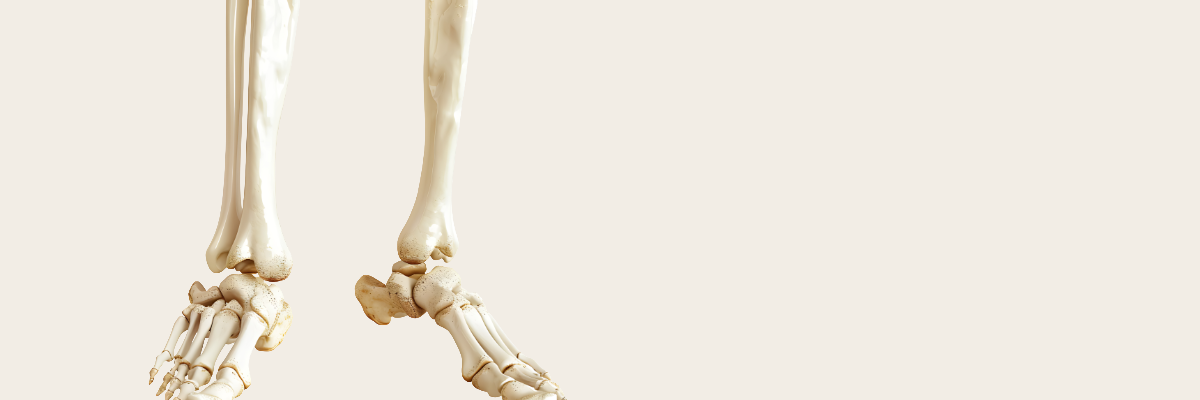
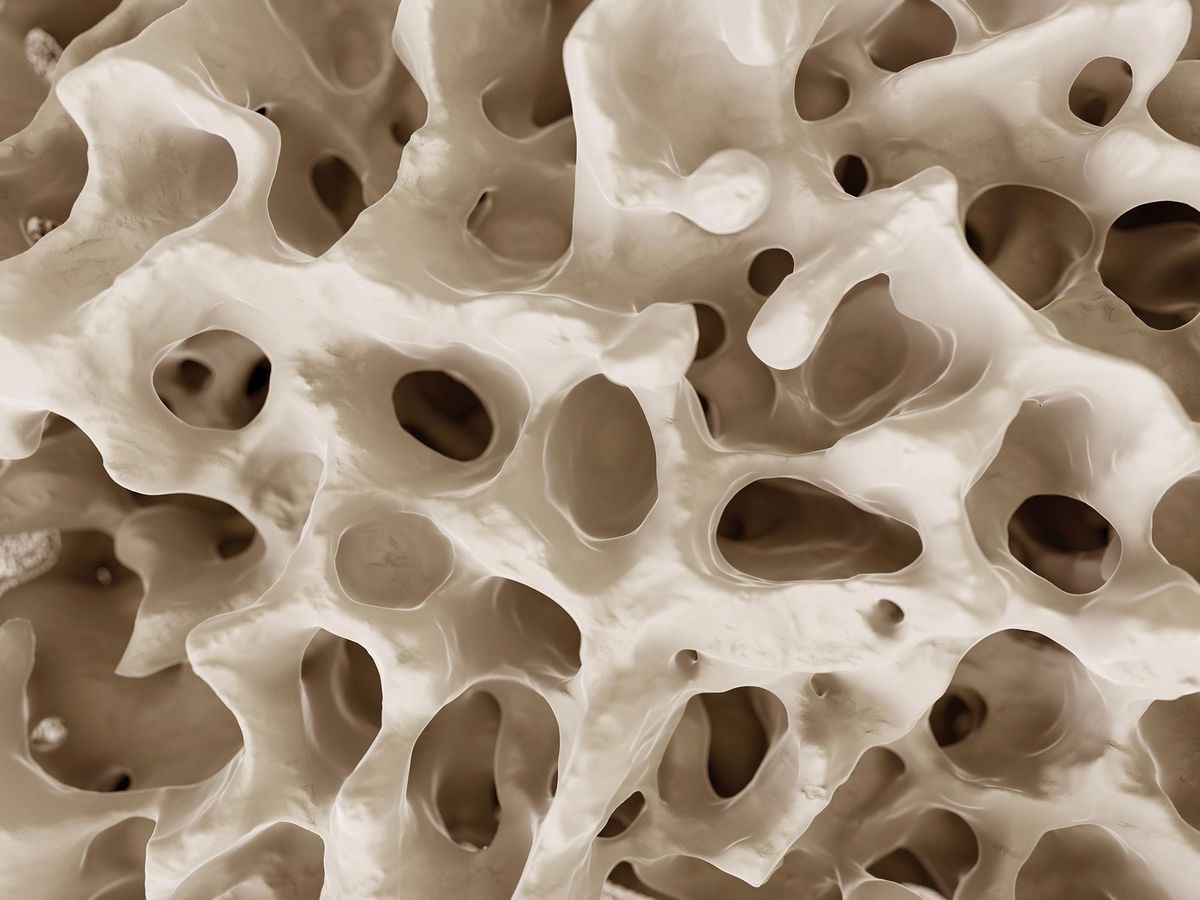
Osteoporosis is a condition where bones become weak, brittle, and porous, making them more prone to fractures — even from minor falls or simple movements like bending or coughing.
It occurs when the rate of bone loss (resorption by osteoclasts) outpaces the rate of new bone formation (by osteoblasts), leading to a net loss in bone mass and density.
Why It Matters?
- 1 in 3 women and 1 in 5 men over the age of 50 will experience osteoporotic fractures
- Common fracture sites: spine, hips, and wrists
- Fractures can lead to chronic pain, reduced mobility, and loss of independence
Osteoporosis develops silently over time. That’s why early prevention and proactive care are key.
Who’s at Risk?
- Age: Bone density naturally declines with age, especially after 50.
- Gender: Women are at higher risk, particularly after menopause due to declining estrogen levels, which are protective for bone health.
- Genetics: A family history of osteoporosis or fractures increases your likelihood.
- Lifestyle: Low calcium and vitamin D intake, Sedentary lifestyle, Smoking and excessive alcohol consumption, Low body weight or poor nutrition
- Medical Conditions or Medications: Certain health issues (like thyroid disorders, celiac disease) or long-term use of corticosteroids can affect bone health.
How is Osteoporosis Diagnosed?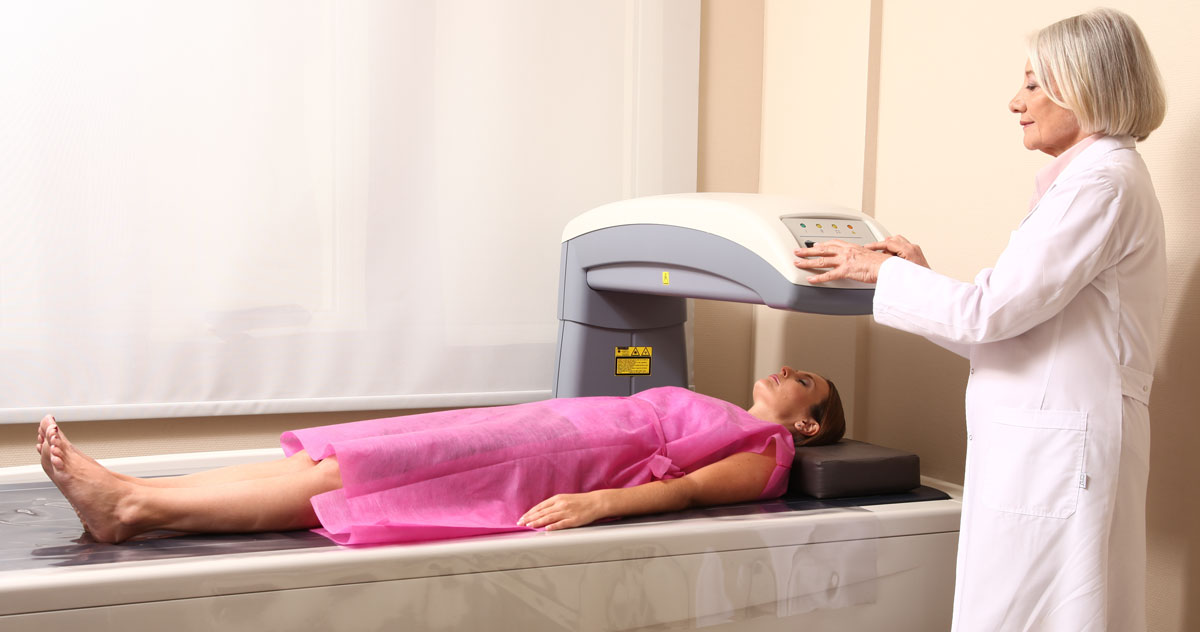
The most common test is a Bone Mineral Density (BMD) scan, often using DEXA (Dual-Energy X-ray Absorptiometry).
The result is given as a T-score:
- Above -1: Normal
- -1 to -2.5: Osteopenia (low bone mass)
- Below -2.5: Osteoporosis
Natural Strategies to Support Bone Health
1. Prioritise Key Nutrients
|
Nutrient
|
Role | Sources |
| Calcium | Main mineral in bones | Dairy, leafy greens, tofu |
| Vitamin D | Helps absorb calcium | Sunlight, fatty fish, eggs |
| Magnesium | Supports calcium metabolism | Nuts, seeds, whole grains |
| Vitamin K2 | Directs calcium to bones | Natto, cheese, egg yolk |
| Protein | Supports bone matrix and repair | Lean meats, legumes, collagen |
| Zinc & Boron | Bone formation and mineralization | Nuts, fruits, leafy vegetables |
2. Stay Physically Active
- Weight-bearing exercises (walking, dancing, stair climbing) stimulate bone formation
- Resistance training (weights, resistance bands) strengthens both bones and muscles
- Balance exercises (yoga, tai chi) help prevent falls
3. Avoid Bone-Damaging Habits
- Quit smoking
- Limit caffeine and alcohol
- Avoid very low-calorie diets or long-term inactivity
4. Consider Natural Supplements
When diet alone isn’t enough, targeted bone health supplements can help. Look for:
- Calcium + Vitamin D3 for bone density
- Magnesium & Vitamin K2 for absorption synergy
- Collagen peptides for bone matrix support
- Lycopene & β-Carotene (shown to enhance osteoblast activity and inhibit osteoclasts)
- Silica, zinc, and boron as trace minerals for bone metabolism
Studies by Faienza et al (2024) show that 13 mg/day of lycopene for 12 weeks can promote osteoblast activity while suppressing osteoclasts. Long-term β-carotene intake (0.75–30 mg/day) is associated with lower fracture risk in men.
When to See a Doctor
Speak with a healthcare professional if you:
- Have a family history of osteoporosis
- Are postmenopausal
- Have experienced a recent fracture
- Are on medications that affect bone health
Early screening can lead to earlier intervention and better outcomes.
Final Thoughts
Osteoporosis may be silent, but your bones deserve to be heard. Building and maintaining strong bones is a lifelong commitment — and it starts with daily choices.
With the right nutrients, movement, and awareness, you can stay strong, mobile, and fracture-free well into your golden years.
References:
Bono CM and Einhorn TA (2003) Overview of osteoporosis: pathophysiology and determinants of bone strength, European Spine Journal,12 Suppl 2(Suppl 2), S90-S96
Faienza MF, Giardinelli S, Annicchiarico A, Chiarito M, Barile B, Corbo F and Brunetti G (2024) Nutraceuticals and Functional Foods: A Comprehensive Review of Their Role in Bone Health, International Journal of Molecular Sciences, 25(11), 1-37.