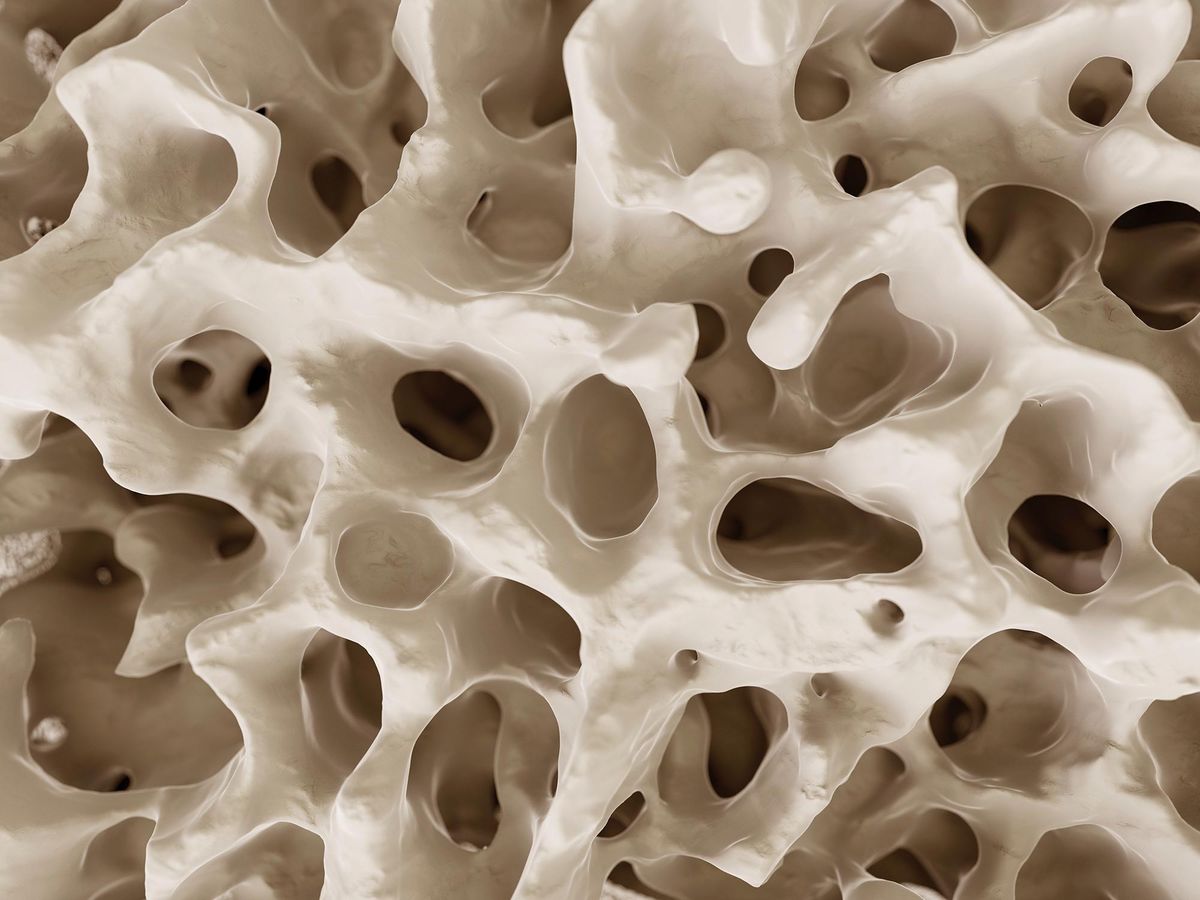























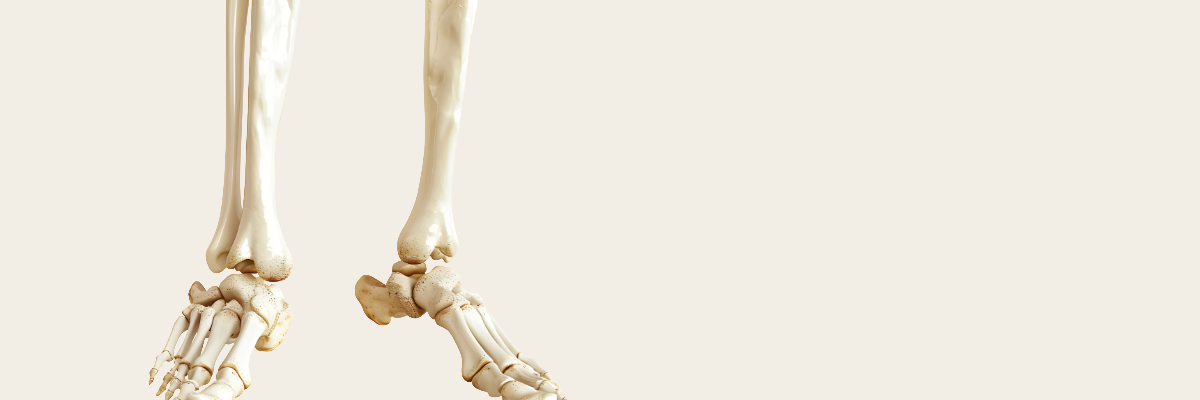
Our bones are the framework of our bodies — literally. They support us, protect our organs, anchor our muscles, and store vital minerals like calcium and phosphorus. The adult human skeleton is composed of approximately 200 distinct bones—74 in the axial skeleton and 126 in the appendicular skeleton [4]. But despite their strength, our bones are living tissues that need consistent care to stay strong and healthy.
Let’s explore why bone health matters, what affects it, and how to keep your bones strong at every stage of life — naturally.
Why Bone Health Matters
You might think about your bones only when you feel joint pain or hear about osteoporosis, but bone health plays a central role in your mobility, stability, and vitality.
Poor bone health can lead to:
- Increased risk of fractures
- Loss of height with age
- Weak posture and mobility
- Osteopenia or osteoporosis
- Slower recovery from injuries
The good news? Up to 90% of peak bone mass is built by age 18, but you can strengthen and maintain bone density well into adulthood with the right habits.
What Are Bones Made Of?

Bones are composed of:
- Collagen: A protein that gives bones flexibility
- Calcium phosphate: A mineral that provides hardness and strength
- Living cells: That constantly break down and rebuild bone tissue
- Bone marrow: Where blood cells are produced
Bone is a dynamic tissue — it constantly undergoes remodelling through the coordinated actions of two key cells: osteoclasts, which break down old or damaged bone, and osteoblasts, which build new bone tissue. This natural cycle helps maintain bone strength and mineral balance. However, as we age, the activity of osteoblasts slows while osteoclast activity may remain the same or increase, leading to a gradual loss of bone density over time [1,4].
What Affects Bone Health?
Several factors influence your bone strength, including:
- Age
Bone mass peaks in your 20s and gradually declines with age.
- Genetics
Family history of osteoporosis can raise your risk.
- Lifestyle
Lack of exercise, smoking, alcohol, and a poor diet all contribute to bone loss.
- Nutrition
Low intake of calcium, vitamin D, magnesium, and protein weakens bone formation.
- Hormones
Postmenopausal women are at higher risk due to declining oestrogen, which helps protect bones.
Key Nutrients for Bone Strength
- Calcium
The most well-known bone mineral. Adults need around 1000–1200mg/day.
Sources: Dairy, tofu, leafy greens, almonds, fortified plant milks
- Vitamin D
Helps your body absorb calcium. Without it, even high calcium intake may not be effective.
Sources: Sunlight, fatty fish, mushrooms, supplements
- Vitamin K2
Supports the transport of calcium to bones and prevents it from settling in arteries.
Sources: Natto (fermented soy), eggs, cheese
- Magnesium
Plays a role in bone formation and regulating calcium balance.
Sources: Nuts, seeds, legumes, whole grains
- Collagen & Protein
Collagen is a major structural component of bones, and adequate protein intake supports bone repair and strength.
Sources: Bone broth, fish, lean meat, collagen peptides, legumes
- Curcumin
Supports osteoblast activity while inhibiting osteoclast function, helping to preserve bone density and overall bone health. A dosage of 110mg/day for 60 days is sufficient for maintaining bone density by osteoprotective actions5.
Sources: Turmeric (Curcuma longa)
- Carotenoids (β-carotene, lycopene, lutein)
A 12-week supplementation of lycopene (13 mg/day) has been shown to promote osteoblast activity while suppressing osteoclast function, supporting bone formation. Additionally, long-term β-carotene supplementation—ranging from 0.75 mg to 30 mg daily over 1 to 16 years—has been associated with a reduced risk of osteoporotic fractures in men5.
Sources: Gac fruit, pumpkin, spinach, broccoli, sweet potatoes
Lifestyle Habits for Bone Health
- Weight-Bearing Exercise [2]
Activities like walking, dancing, hiking, and resistance training help stimulate bone growth. A report indicated that walking for at least four hours per week is essential to help prevent bone loss.
- Avoid Smoking & Excessive Alcohol [3]
These can decrease bone mass and hinder calcium absorption.
- Maintain a Healthy Weight [3]
Being underweight increases fracture risk, while obesity may affect mobility and joint health.
Natural Supplements for Bone Support
If your diet is lacking or you're at risk for bone loss, these supplements can help:
- Calcium + Vitamin D3
- Magnesium + Vitamin K2
- Collagen peptides
- Curcumin
- Carotenoids (β-carotene, lycopene, lutein)
Choose high-quality, high bioavailability formulas, and consult your healthcare provider for appropriate dosages.
Bone Health at Different Life Stages
Childhood & Teens
Builds foundation for lifelong bone strength — emphasise calcium, protein, and active play.
Adults
Focus on maintenance — stay active, nourish with key minerals, and monitor bone density if needed.
Aging Adults (50+)
Prevent bone loss and fractures — consider supplements, load-bearing exercises, and fall prevention measures.
Final Thoughts
Bone health is not just about preventing fractures — it's about staying strong, mobile, and independent throughout life. With the right nutrients, movement, and habits, you can protect and preserve your bones for the long run.
Start building your strength from within — your future self will thank you.
References:
- Freemont AJ (1993) Basic bone cell biology, International Journal of Experimental Pathology, 74(4), 411-416.
- Whalen RT, Carter DR and Steele CR (1988) Influence of physical activity on the regulation of bone density, Journal of Biomechanics, 21(10), 825-837.
- Fini M, Salamanna F, Veronesi F, Torricelli P, Nicolini A, Benedicenti S, Carpi A and Giavaresi G (2012) Role of obesity, alcohol and smoking on bone health, Frontiers in Bioscience (Elite Edition), 4(7), 2586-2606.
- Hart NH, Newton RU, Tan J, Rantalainen T, Chivers P, Siafarikas A and Nimphius S (2020) Biological basis of bone strength: anatomy, physiology and measurement. Journal of Musculoskeletal & Neuronal Interactions, 20(3), 347-371.
- Faienza MF, Giardinelli S, Annicchiarico A, Chiarito M, Barile B, Corbo F and Brunetti G (2024) Nutraceuticals and Functional Foods: A Comprehensive Review of Their Role in Bone Health, International Journal of Molecular Sciences, 25(11), 1-37.