















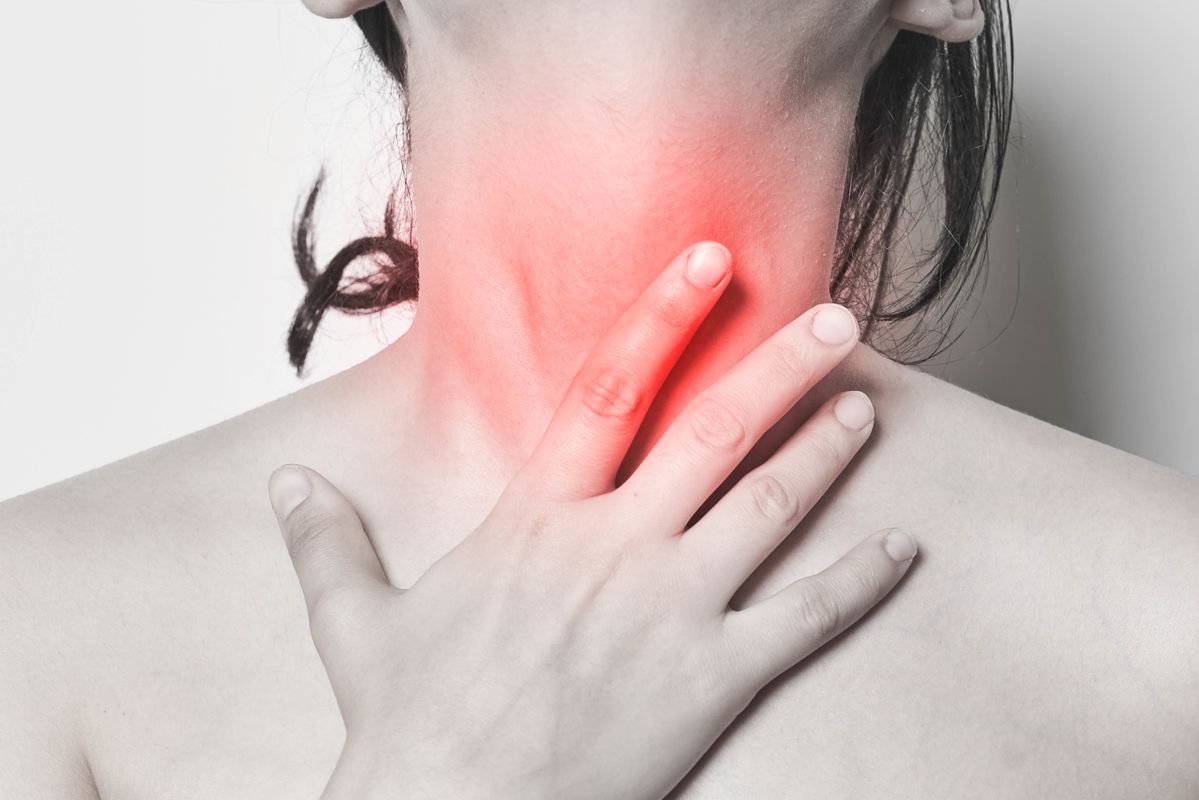
Consuming very hot foods and beverages has been associated with an increased risk of oesophageal cancer, particularly oesophageal squamous cell carcinoma (ESCC) This association is primarily attributed to thermal injury to the oesophageal lining caused by high-temperature consumables.
Scientific Evidence
1. World Health Organization (WHO) Classification
In 2016, the International Agency for Research on Cancer (IARC), a part of the WHO, classified the consumption of very hot beverages (temperatures above 65°C or 149°F) as "probably carcinogenic to humans" (Group 2A). This classification was based on studies indicating that drinking very hot beverages could increase the risk of oesophageal cancer.
2. Meta-Analysis Findings
A meta-analysis published in BMC Cancer reviewed 39 studies and found that hot beverage and food consumption was significantly associated with an increased risk of oesophageal cancer. The risk was notably higher for oesophageal squamous cell carcinoma, especially in Asian and South American populations.
3. UK Biobank Study
A large prospective cohort study involving nearly half a million adults in the UK found that drinking hot or very hot beverages was associated with a higher incidence of ESCC. The study emphasized that the temperature of the beverage, rather than the type, was the critical factor influencing cancer risk.
Practical Recommendations
- Allow Beverages to Cool Before consuming hot drinks, let them cool to below 60°C (140°F) to minimize the risk of thermal injury to the oesophagus.
- Be Cautious with Hot Foods Similar to beverages, consuming very hot foods can also pose a risk. Ensure foods are at a safe temperature before eating.
- Monitor Consumption Habits Regularly consuming very hot items may increase risk over time. Being mindful of consumption habits can contribute to long-term oesophageal health.
While the absolute risk increases from consuming very hot foods and beverages is relatively small, adopting these precautions can be a simple yet effective measure to reduce potential health risks.
References:
Inoue-Choi M, Ramirez Y, O’Connell C, Berrington de Gonzalez A, M. Dawsey S, Abnet CC, Freedman ND and Loftfield E (2025) Hot beverage intake and oesophageal cancer in the UK Biobank: prospective cohort study, British Journal of Cancer, 132 (1), 652–659.
Masukume G, Mmbaga BT, Dzamalala, CP, Mlombe YB, Finch P, Nyakunga-Maro G, Mremi A, Middleton DR, Narh NT, Chasimpha SJD, Abedi-Ardekani B, Menya D, Schuz J and McCormack V (2022) A very-hot food and beverage thermal exposure index and esophageal cancer risk in Malawi and Tanzania: findings from the ESCCAPE case–control studies, British Journal of Cancer, 127 (1), 1106–1115.
Chen YW, Tong YQ, Yang C, Gan Y, Sun HL, Bi HS, Cao SY, Yin XX and Lu ZX (2015) Consumption of hot beverages and foods and the risk of esophageal cancer: a meta-analysis of observational studies, BMC Cancer, 15 (449), 1-13.