







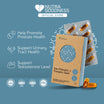









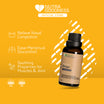
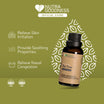
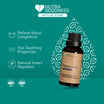
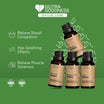

The Essential Role of Vitamin B, Omega-3 DHA & EPA, Vitamin D, and Turmeric in Menstrual Health
Maintaining hormonal balance and overall well-being during menstruation requires more than just rest — it demands the right nutrients to support your body’s intricate systems. Vitamins B2, D, Omega-3 fatty acids (EPA and DHA), and Turmeric (Curcumin) each play a powerful role in promoting menstrual comfort, mood stability, and long-term hormonal health. Here's how they work:
Vitamin B2 (Riboflavin): Supporting Hormonal Harmony [1,2]
Riboflavin is essential for menstrual and hormonal health. Its roles during menstruation include:
- Antioxidant support: Protects cells against oxidative stress, which can worsen menstrual symptoms.
- Energy production: Powers the body’s metabolic processes, reducing fatigue.
- Hair, skin, nail, and vision health: Riboflavin helps maintain the integrity of these tissues, often affected by hormonal shifts.
- Iron metabolism and blood flow: Supports the production of healthy red blood cells.
- Glutathione production: Assists in producing glutathione, one of the body's master antioxidants.
- Thyroid function and hormone regulation: Plays a key role in maintaining optimal thyroid health, essential for hormonal balance.
Vitamin D: Regulating the Menstrual Cycle [3]
Vitamin D does more than support bone health — it's vital for menstrual health too. It helps:
- Stabilize mood: Vitamin D deficiency is often linked to mood swings and PMS.
- Alleviate inflammation: Reduces inflammatory processes that can worsen menstrual pain.
- Support calcium regulation: Essential for hormonal activity and muscle function.
- Maintain vaginal health: Encourages a balanced microbiome in vaginal tissues, supporting overall reproductive health.
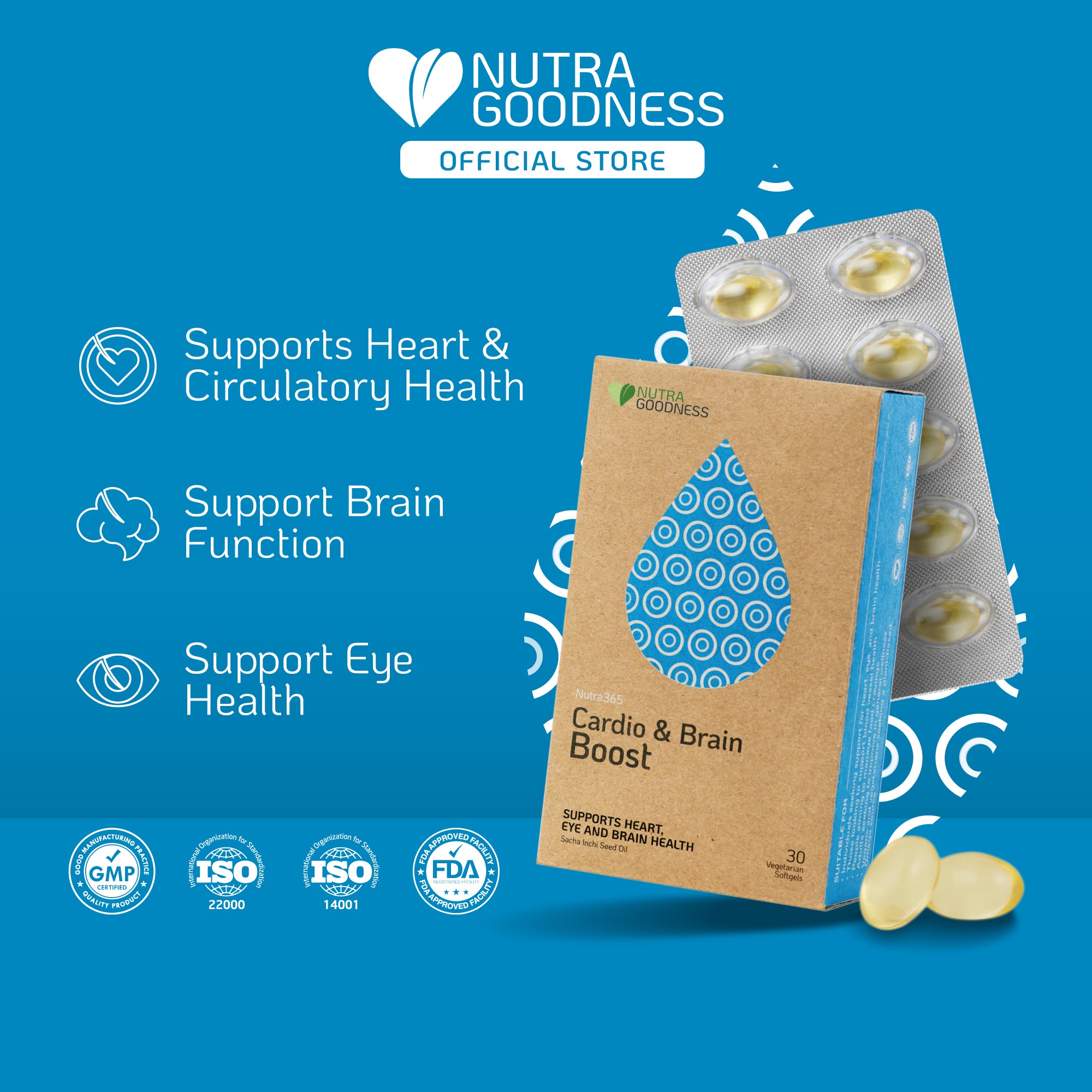
Omega-3 EPA & DHA: Comfort and Resilience During Menstruation [4]
Omega-3 fatty acids, particularly EPA and DHA, provide significant support during the menstrual cycle:
- Antioxidant protection: Reduces oxidative stress in reproductive tissues.
- Alleviates inflammation: Helps ease menstrual cramps and discomfort.
- Enhances mood and energy: Promotes emotional balance and resilience.
-
Supports ovulation and fertility: Critical for maintaining a healthy reproductive system.
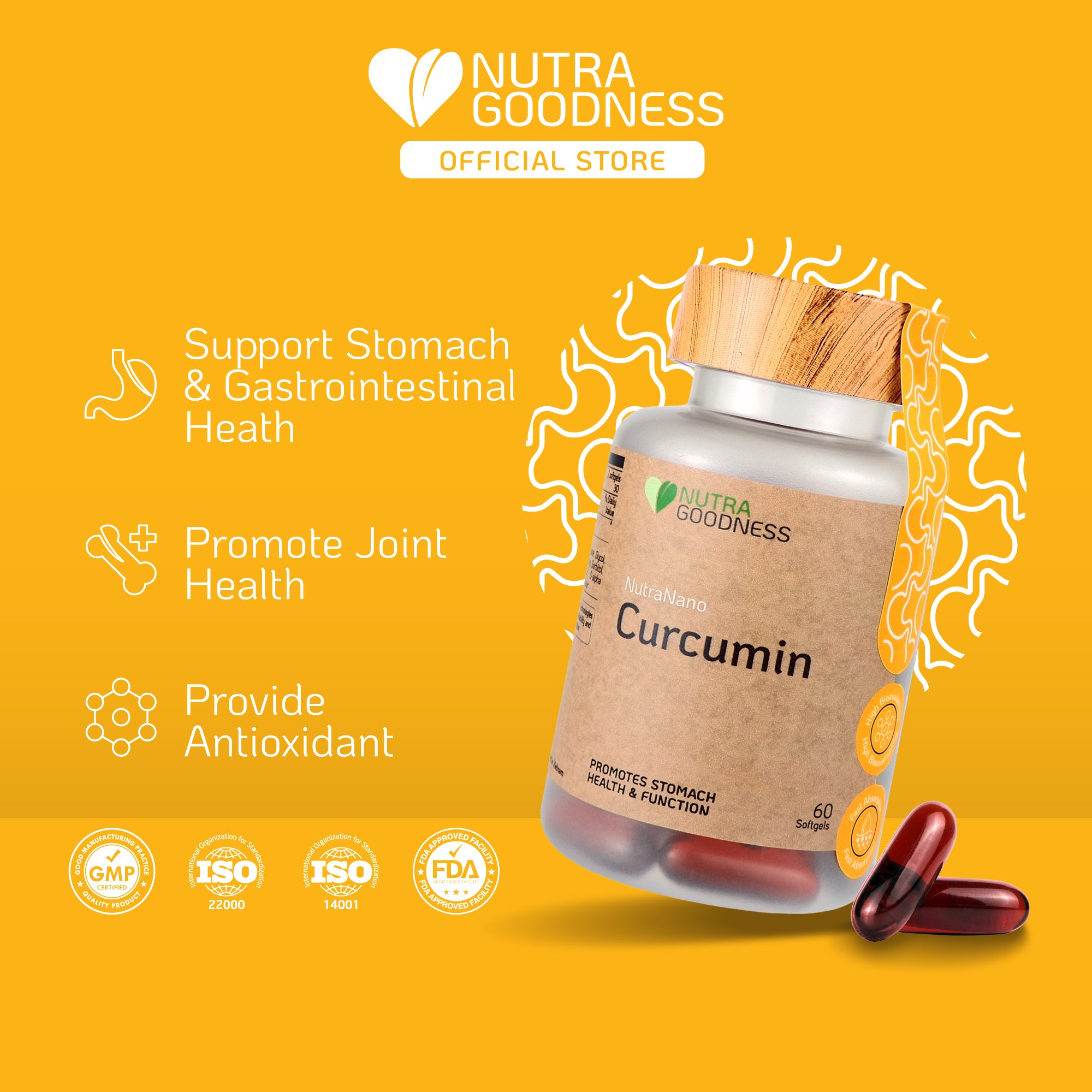
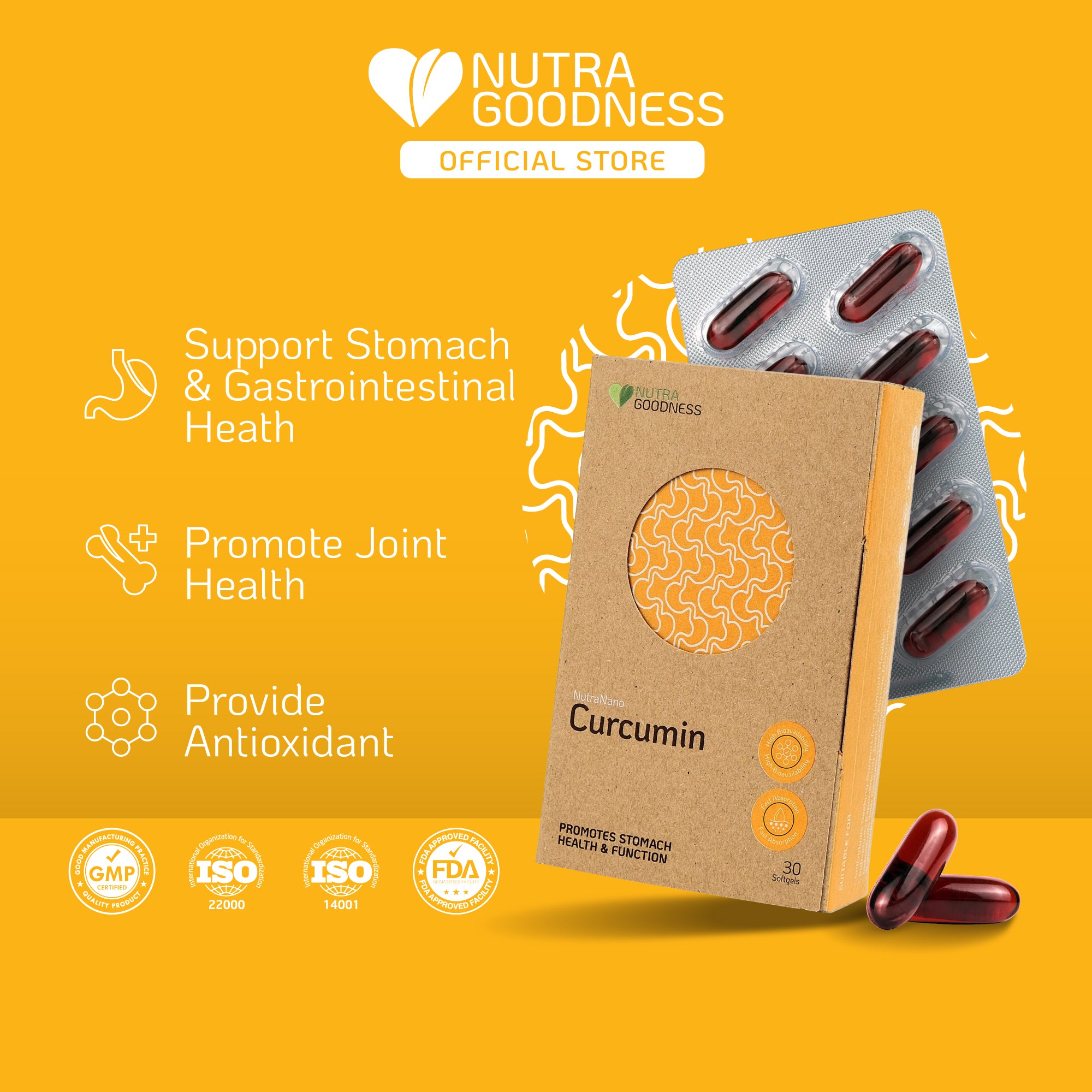
Turmeric (Curcumin): The Natural Anti-Inflammatory Ally [5,6]
Turmeric, rich in curcumin, is a powerful herb for menstrual and cognitive health:
- Boosts BDNF (Brain-Derived Neurotrophic Factor): Promotes brain repair, supporting mood, memory, and mental stamina.
- Alleviates inflammation: Helps reduce menstrual pain naturally.
-
Provides antioxidant protection: Shields cells from oxidative damage associated with hormonal fluctuations.
Tips for Better Menstrual Health
In addition to key nutrients, adopting supportive lifestyle habits can make a major difference in how you feel during your cycle:
1. Prioritise a Balanced Diet
Start your day with a nourishing breakfast that includes 20–30g of protein. Protein fuels your body’s metabolic "factories" and supports sustained energy production throughout the day.
2. Stay Active
Aim for 45–60 minutes of exercise at least three times a week. Physical activity improves blood circulation, boosts endorphins, and has been shown to help reduce menstrual pain.
3. Mindful Supplementation
Supplements can bridge nutritional gaps in your diet, ensuring your body gets the active ingredients it needs for optimal function. High-quality supplements enhance nutrient absorption and utilisation, helping you feel your best during your menstrual cycle and beyond.
Final Thoughts
Supporting menstrual health is not just about managing symptoms — it's about building a strong foundation for hormonal balance, mood stability, and overall well-being. Incorporating key nutrients like Vitamin B2, Vitamin D, Omega-3s, and Turmeric, along with healthy lifestyle habits, can make a real and lasting difference.
Your body deserves the care it needs — and every step you take now builds resilience for the future.
Reference:
- Kim K, Mills JL, Michels KA, Chaljub EN, Wactawski-Wende J, Plowden TC and Mumford SL (2020) Dietary Intakes of Vitamin B-2 (Riboflavin), Vitamin B-6, and Vitamin B-12 and Ovarian Cycle Function among Premenopausal Women, Journal of the Academy of Nutrition and Dietitics, 120(5),885-892.
- Dricot CEMK, Erreygers I, Cauwenberghs E, De Paz J, Spacova I, Verhoeven V, Ahannach S and Lebeer S (2024) Riboflavin for women's health and emerging microbiome strategies, NPJ Biofilms & Microbiomes, 10(1), 1-14.
- Amzajerdi A, Keshavarz M, Ghorbali E and Pezaro S, Sarvi F (2023) The effect of vitamin D on the severity of dysmenorrhea and menstrual blood loss: a randomized clinical trial, BMC Women’s Health, 23(1), 1-7.
- Mano Y, Kato A, Fukuda N, Yamada K and Yanagimoto K (2022) Influence of Ingestion of Eicosapentaenoic Acid-Rich Fish Oil on Oxidative Stress at the Menstrual Phase: A Randomized, Double-Blind, Placebo-Controlled, Parallel-Group Trial, Women’s Health Report (New Rochelle), 3(1), 643-651.
- Agarwal D and Chaudhary P (2023) Effect of Turmeric-Boswellia-Sesame Formulation in Menstrual Cramp Pain Associated with Primary Dysmenorrhea-A Double-Blind, Randomized, Placebo-Controlled Study, Journal of Clinical Medicine, 12(12), 1-14.
- Patibandla S, Gallagher JJ, Patibandla L, Ansari AZ, Qazi S and Brown SF (2024) Ayurvedic Herbal Medicines: A Literature Review of Their Applications in Female Reproductive Health, Cureus, 16(2), 1-19.