![[Festive Goodness Set] NutraBreeze BeautyCool + NutraBreeze DetoxCool (Winter Melon + Corn) + NutraFizz Vitamin C + Zinc Effervescent (Lime + Orange)- Personalized Wellness Gift](http://www.nutragoodness.com/cdn/shop/files/Listing_Image-11.png?v=1768370707&width=104)

![[MindFuel Wellness] Nutra365 Cardio & Brain Boost + NutraGummy Energy Boost + NutraFizz Effervescent](http://www.nutragoodness.com/cdn/shop/files/Listing_Image-7.png?v=1768370498&width=104)
![[Glow & Hydrate Set] Nutra365 Heart & Skin Boost + NutraBreeze BeautyCool + NutraFizz Effervescent](http://www.nutragoodness.com/cdn/shop/files/Listing_Image-8.png?v=1768370426&width=104)
![[Daily Defense Set] NutraBreeze DetoxCool + NutraFizz Vitamin C Effervescent + NutraSooth Lozenges](http://www.nutragoodness.com/cdn/shop/files/Listing_Image-9.png?v=1768370377&width=104)
![[Serenity Set] NutraAroma Pure Essential Oil 30ml + Zen Wood Aroma Diffuser](http://www.nutragoodness.com/cdn/shop/files/Listing_Image-10.png?v=1768370563&width=104)
![[Total Wellness Set] NutraGummy Immune Boost 40s + NutraBreeze DetoxCool + NutraFizz Effervescent + Wellness Pod](http://www.nutragoodness.com/cdn/shop/files/Listing_Image-16_1.png?v=1768370632&width=104)













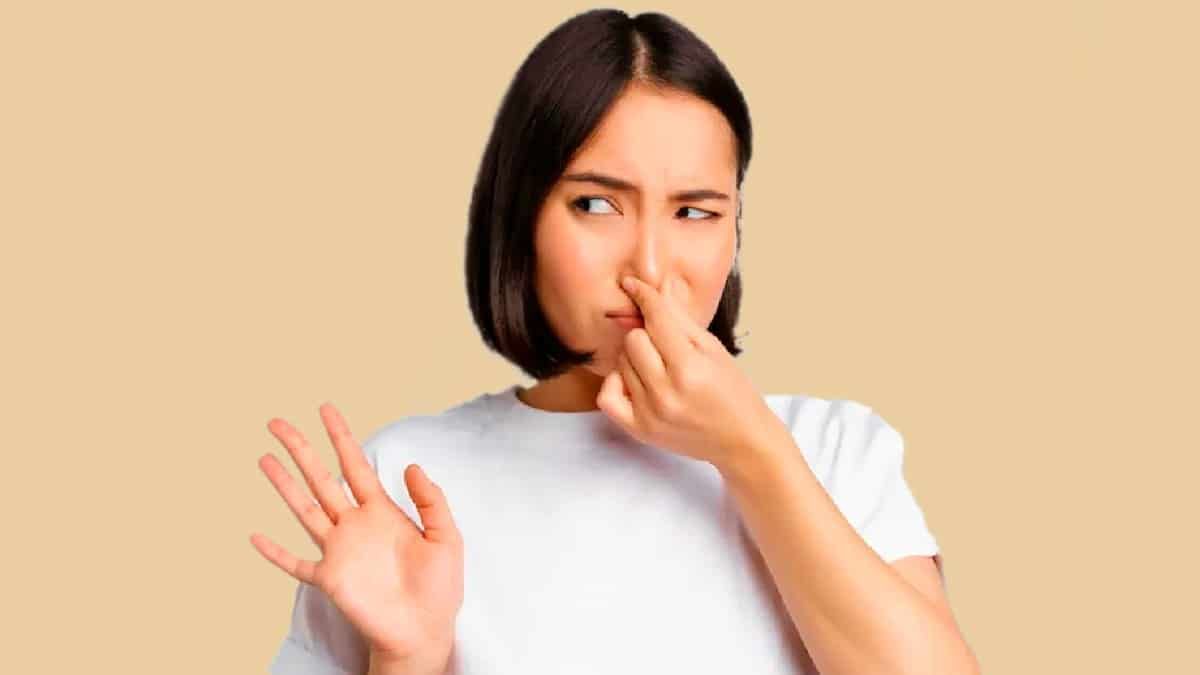
Body odour, often referred to as BO, is a natural phenomenon that occurs when sweat interacts with bacteria on the skin. While it’s a common and typically harmless condition, body odour can be an embarrassing issue for many individuals. Understanding its causes and learning how to prevent and manage it can help improve personal confidence and hygiene.
What Causes Body Odor?
Body odour arises primarily from the activity of sweat glands and the bacteria that live on the skin. Here's how it works:
1. Sweat Glands and Their Role
- Eccrine Glands - Found all over the body, these glands produce a watery sweat that helps regulate body temperature. This type of sweat is generally odourless.
- Apocrine Glands - Located in areas such as the armpits and groin, these glands release a thicker, protein-rich sweat. This sweat becomes a food source for bacteria, resulting in odour as the bacteria break it down.
2. Bacterial Breakdown
- Bacteria on the skin, such as Corynebacteria, feed on sweat and release volatile organic compounds (VOCs), such as thioalcohols, which produce the characteristic unpleasant smell.
3. Dietary Factors
- Foods like garlic, onions, and spices contain sulphur compounds that can be released through sweat, contributing to body odour.
4. Hormonal Changes
- Puberty, menstruation, pregnancy, and stress can alter sweat production and composition, intensifying body odour.
5. Medical Conditions
- Conditions such as hyperhidrosis (excessive sweating) and trimethylaminuria (a rare disorder causing a fishy odour) can exacerbate body odour.
- Certain illnesses, including diabetes, kidney issues, or liver disease, may cause distinctive odours.
6. Poor Hygiene
- Irregular washing allows sweat and bacteria to accumulate, intensifying the smell.
Preventing Body Odor
Effective prevention and management of body odour involve maintaining good hygiene and using appropriate products. Here are some tips:
1. Regular Washing
- Bathe daily with antibacterial soap to remove sweat and bacteria.
- Pay special attention to areas prone to sweating, such as armpits, feet, and groin.
2. Clothing Choices
- Wear breathable, moisture-wicking fabrics like cotton or bamboo.
- Change clothes frequently, especially after sweating.
3. Dietary Adjustments
- Avoid foods that contribute to odour, such as garlic, onions, and alcohol.
- Increase intake of water to dilute sweat and flush toxins.
4. Shaving
- Removing hair in areas like the armpits can reduce the surface area where bacteria thrive.
5. Stress Management
- Practice relaxation techniques, such as meditation or yoga, to reduce stress-related sweating.
Solutions for Body Odour
Certain natural and synthetic ingredients can help manage body odour by reducing bacteria, neutralising odours, or controlling sweat production:
1. Antibacterial Agents
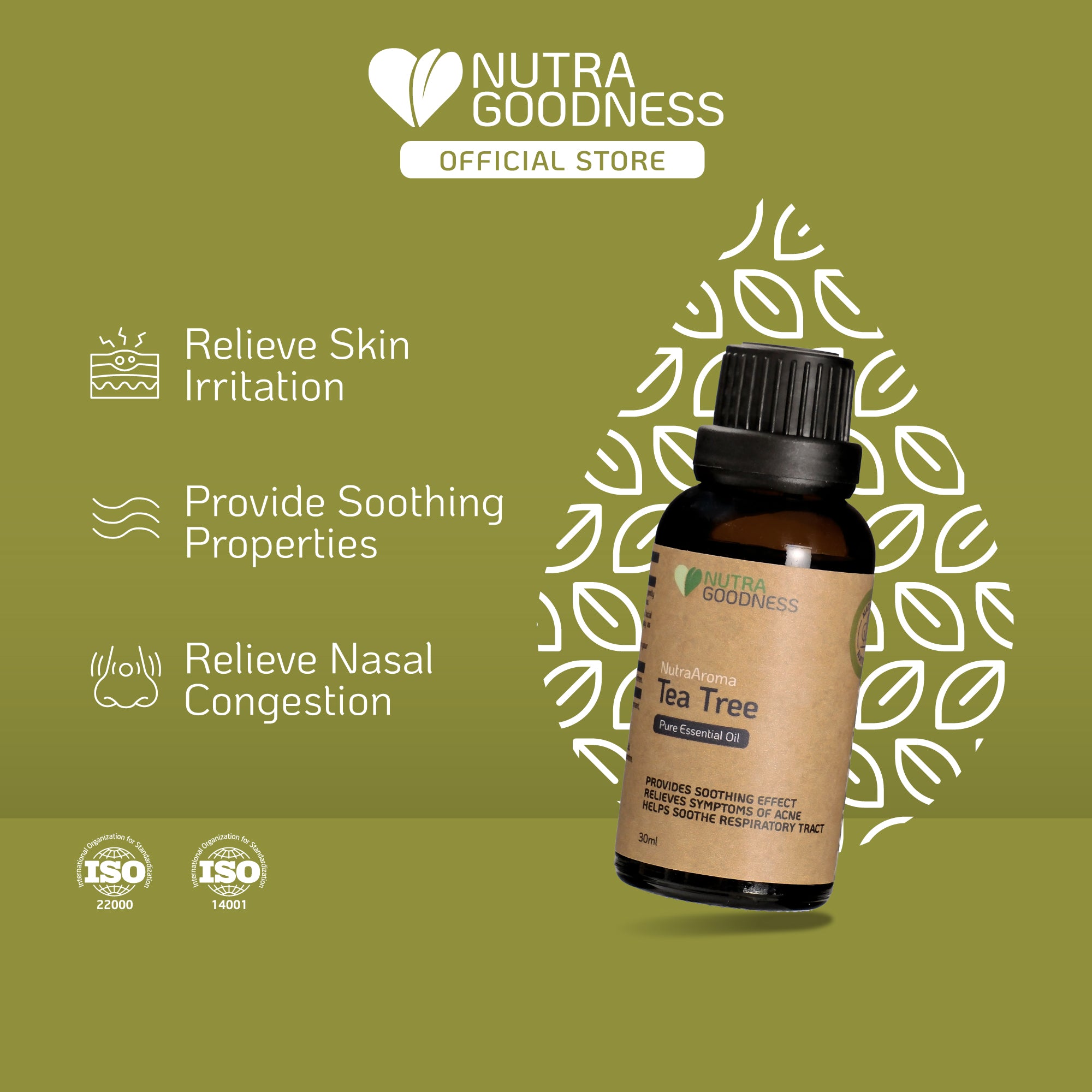
- Tea Tree Oil - A natural antibacterial that kills odour-causing bacteria.
- Witch Hazel - Acts as an astringent and antibacterial agent, reducing bacteria and sweat.
- Alcohol - Found in many deodorants, it kills bacteria on the skin.
2. Natural Deodorizers
- Baking Soda (Sodium Bicarbonate) - Neutralizes odors by balancing the skin's pH.
- Activated Charcoal - Absorbs moisture and toxins, reducing bacterial growth and odor.
- Cornstarch - Absorbs excess sweat and keeps the skin dry.
3. Sweat Absorbers
- Arrowroot Powder - Absorbs moisture and soothes the skin.
- Kaolin Clay - Draws out impurities and keeps skin dry.
4. Odor Neutralizers
- Essential Oils - Lavender, eucalyptus, and rosemary oils provide a pleasant scent and have antimicrobial properties.
- Zinc Ricinoleate - Often used in deodorants to trap and neutralise odour molecules.
5. Astringents
- Alum (Potassium Alum) - A natural mineral salt that reduces sweat by tightening skin pores.
- Aluminum Compounds - Found in antiperspirants, they block sweat glands to reduce perspiration.
6. pH Balancers
- Apple Cider Vinegar - Restores the skin's natural pH and reduces bacterial growth.
- Lemon Juice - Acidic properties help kill bacteria and balance skin pH.
When to See a Doctor?
While body odour is usually harmless, persistent or unusually strong odour might indicate an underlying condition, such as:
- Hormonal imbalances
- Infections
- Metabolic disorders
If body odour doesn't improve with good hygiene and over-the-counter products, consult a healthcare provider for further evaluation.
In conclusion, body odour is a natural part of life but can often be controlled with proper hygiene, diet, and effective products. Understanding its causes can help individuals take proactive steps to manage and reduce unpleasant smells. For those dealing with chronic or severe body odour, medical interventions can provide relief and improve quality of life.