





























What Is Krill Oil?
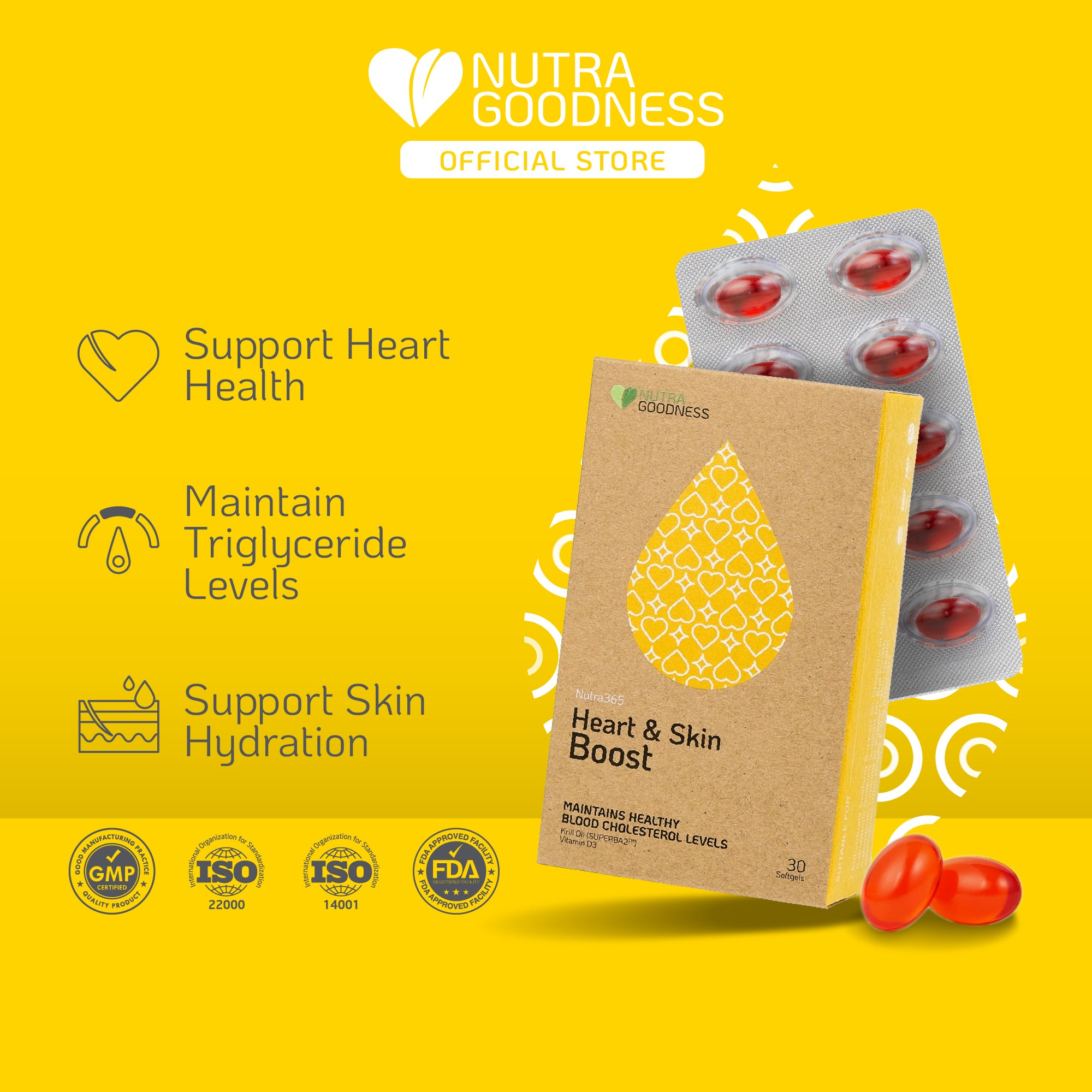
Krill are small, shrimp-like marine creatures found in oceans worldwide. These organisms serve as a vital food source for various marine animals, including whales, seals, and penguins. Krill oil is extracted from these tiny crustaceans and is rich in two essential omega-3 fatty acids: eicosapentaenoic acid (EPA) and docosahexaenoic acid (DHA). Unlike fish oil, the omega-3s in krill oil are bound to phospholipids, which makes them more easily absorbed by the body.
Key Benefits of Krill Oil
1. Improved Heart Health
Omega-3 fatty acids in krill oil are known to reduce triglyceride levels, lower blood pressure, and improve overall cardiovascular health. Additionally, krill oil may help reduce harmful LDL (Low density lipoprotein) cholesterol while increasing beneficial HDL (High density lipoprotein) cholesterol1.
2. Anti-Inflammatory Properties
The presence of astaxanthin, a powerful antioxidant, gives krill oil its deep red colour and contributes to its anti-inflammatory effects. This can be particularly beneficial for individuals with conditions such as arthritis or inflammatory bowel disease2.
3. Brain Health and Cognitive Function
Omega-3s in krill oil support brain health by maintaining cell membrane integrity and reducing inflammation in the brain. They may help improve memory, focus, and overall cognitive function, as well as reduce the risk of neurodegenerative diseases1.
4. Joint Support
Krill oil's anti-inflammatory properties make it a natural choice for those dealing with joint pain and stiffness. Studies suggest that it can help alleviate symptoms of rheumatoid arthritis and mild osteoarthritis2.
5. Eye Health
DHA is a critical component of the retina, and the omega-3s in krill oil can help maintain eye health, potentially reducing the risk of age-related macular degeneration. A study by Deinema et al (2017) shows that krill oil is effective in alleviating symptoms of dry eye.
6. Skin Health
The antioxidants and omega-3s in krill oil may improve skin elasticity, hydration, and overall appearance while reducing inflammation linked to conditions like acne and eczema4.
Krill Oil vs. Fish Oil: What’s the Difference?
While both krill oil and fish oil are rich in omega-3 fatty acids, several factors set them apart5:
- Absorption: The phospholipid structure of omega-3s in krill oil makes them more bioavailable, meaning they are absorbed more efficiently than the triglyceride form found in fish oil.
- Antioxidant Content: Krill oil contains astaxanthin, which fish oil lacks, providing additional health benefits.
- Taste and Smell: Krill oil is less likely to cause the fishy aftertaste or burps often associated with fish oil supplements.
- Sustainability: Krill harvesting is considered more sustainable than certain fish oil sources, as krill populations are abundant and well-regulated.
How to Choose a High-Quality Krill Oil Supplement
When selecting a krill oil supplement, consider the following factors:
- Purity: Look for products tested for contaminants like heavy metals and toxins.
- Astaxanthin Content: Higher levels of astaxanthin provide better antioxidant benefits.
- Certification: Opt for products certified by organizations such as the Marine Stewardship Council (MSC) for sustainable sourcing.
- Dosage: Follow the recommended dosage on the product label or as advised by a healthcare professional.
Krill oil offers a wide array of health benefits, from improving heart and brain health to reducing inflammation and supporting joint function. Its superior bioavailability, antioxidant content, and sustainability make it an attractive alternative to fish oil. However, as with any supplement, it’s essential to choose a high-quality product and consult with a healthcare professional to ensure it fits your health needs and goals.
If you’re looking for a premium heart supplement, explore high-quality krill oil options from Nutra Goodness and take a proactive step toward supporting your long-term cardiovascular health.
References
1. Berge K, Musa-Veloso K, Harwood M, Hoem N and Buri L (2014), Krill oil supplementation lowers serum triglycerides without increasing low-density lipoprotein cholesterol in adults with borderline high or high triglyceride levels, Nutrition Research Journal, 34(1), 126-133.
2. Hill WS, Dohnalek MH, Ha YJ, Kim SJ, Jung JC and Kang SB (2023), A Multicenter, Randomized, Double-Blinded, Placebo-Controlled Clinical Trial to Evaluate the Efficacy and Safety of a Krill Oil, Astaxanthin, and Oral Hyaluronic Acid Complex on Joint Health in People with Mild Osteoarthritis, Nutrients, 15(17), 376.
3. Deinema LA, Vingrys AJ, Wong CY, Jackson CY, Chinney HR and Downie LE (2017), A Randomized, Double-Masked, Placebo-Controlled Clinical Trial of Two Forms of Omega-3 Supplements for Treating Dry Eye Disease, Ophthalmology, 124(1), 43-52.
4. Duo L, Yang JZ, Wang X, Zhang G, Zhao JX, Zou H, Wang Z and Li Y (2024), Krill Oil: Nutraceutical Potential in Skin Health and Disease, Frontiers in Nutrition, 11, 1388155.
5. Ulven SM and Holven KB (2015), Comparison of bioavailability of krill oil versus fish oil and health effect, Vascular Health and Risk Management, 11, 511-524.